
This featured image is AI – I would’ve loved to use the original collage by my dear friend made but alas it’s decades old and couldn’t be located. Concept by @diz_qo
This article is my reflection on something I feel strongly about. There’s a growing tide of artists striving to get their work in front of the right crowd – exhibiting further afield, shipping to galleries in distant cities, chasing the elusive collector. But I want to question that logic. Art is best experienced in the flesh, yes. But does the art need to travel, or should the audience?
For me, art is not just made about a place – it is made of the place! Let me explain…
Art is not made in a vacuum
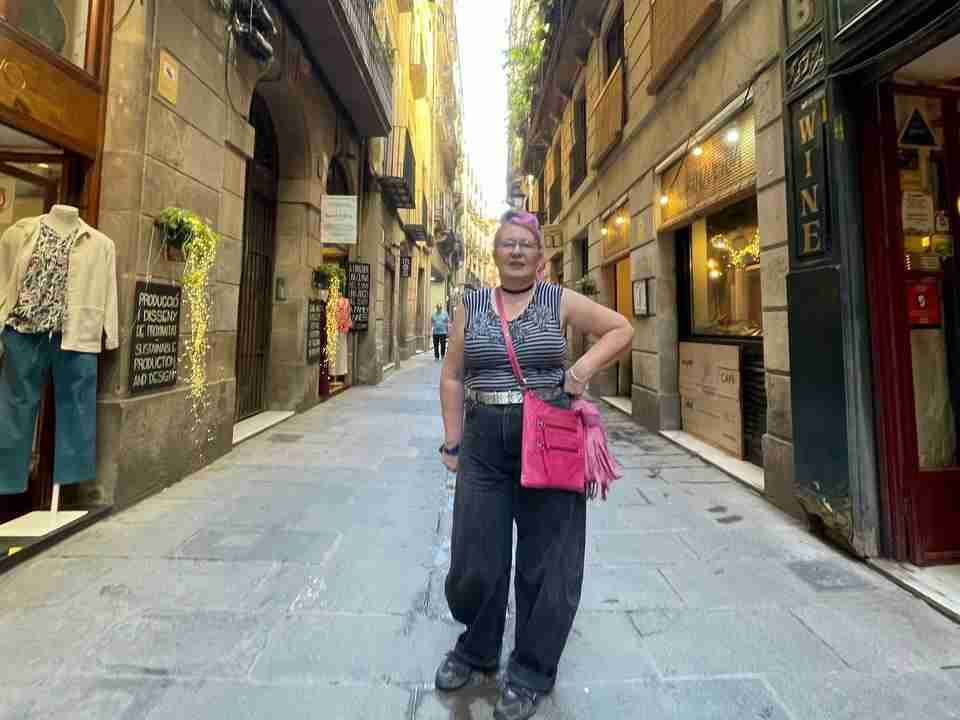
Emma Plunkett in the old town of Barcelona – photo by Louise Stevens
Artists are continuously being shaped by their surroundings: layered history, social activity, political climate, everyday living conditions, technological advances and the physical character of the place where they work. These aren’t just backdrops – they are the material of the work itself. An artist living in Catalonia countryside is absorbing something entirely different from one living in a post-industrial northern English town, and that difference matters. It shows up in the palette, the mood, the subject matter, the urgency. Art is a product that comes through its environment, not despite it.
Art and the identity of a place
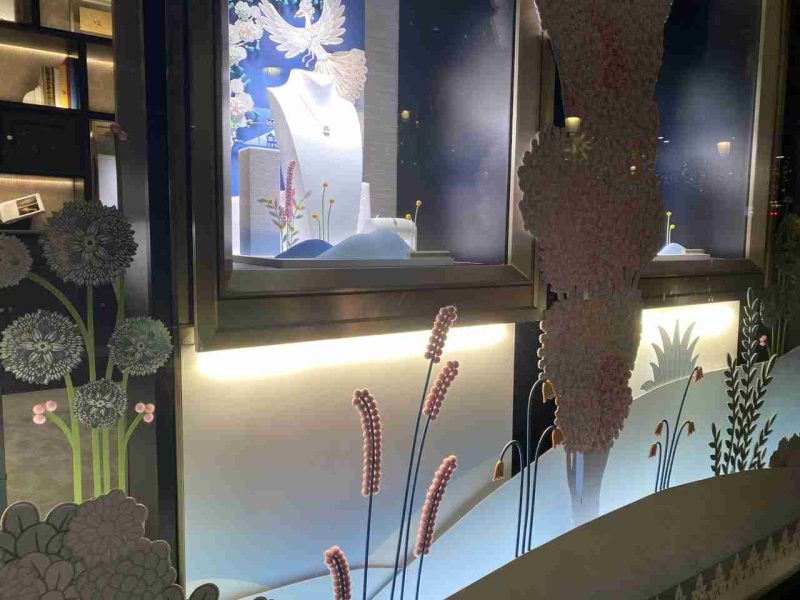
Shop window display in Passeig de Grácia, Barcelona
Because of this, art and artists actively help to define the identity of a place – often in ways that go unnoticed. I don’t just mean grand public sculpture or community murals, though those matter too. I mean the quiet fingerprints of makers past and present: the typefaces on local signage, the colours of the shutters, the pattern on a tiled floor, the crockery on a restaurant table, the posters at the bus stop, the shop window displays, what’s printed on people’s t-shirts, the jewellery people wear, the art that hangs in people’s homes. All these are artistic decisions and they accumulate into atmosphere.
Artistic interpretations give people a completely new way to experience a location. Art creates new perceptions and shared memories. It embeds itself into the cultural infrastructure of a place – functional design, decorative arts, objects, signage, marketing – and shapes how both residents and visitors understand where they are. When that layer is thin or generic, you feel it immediately.
Resistance to sameness
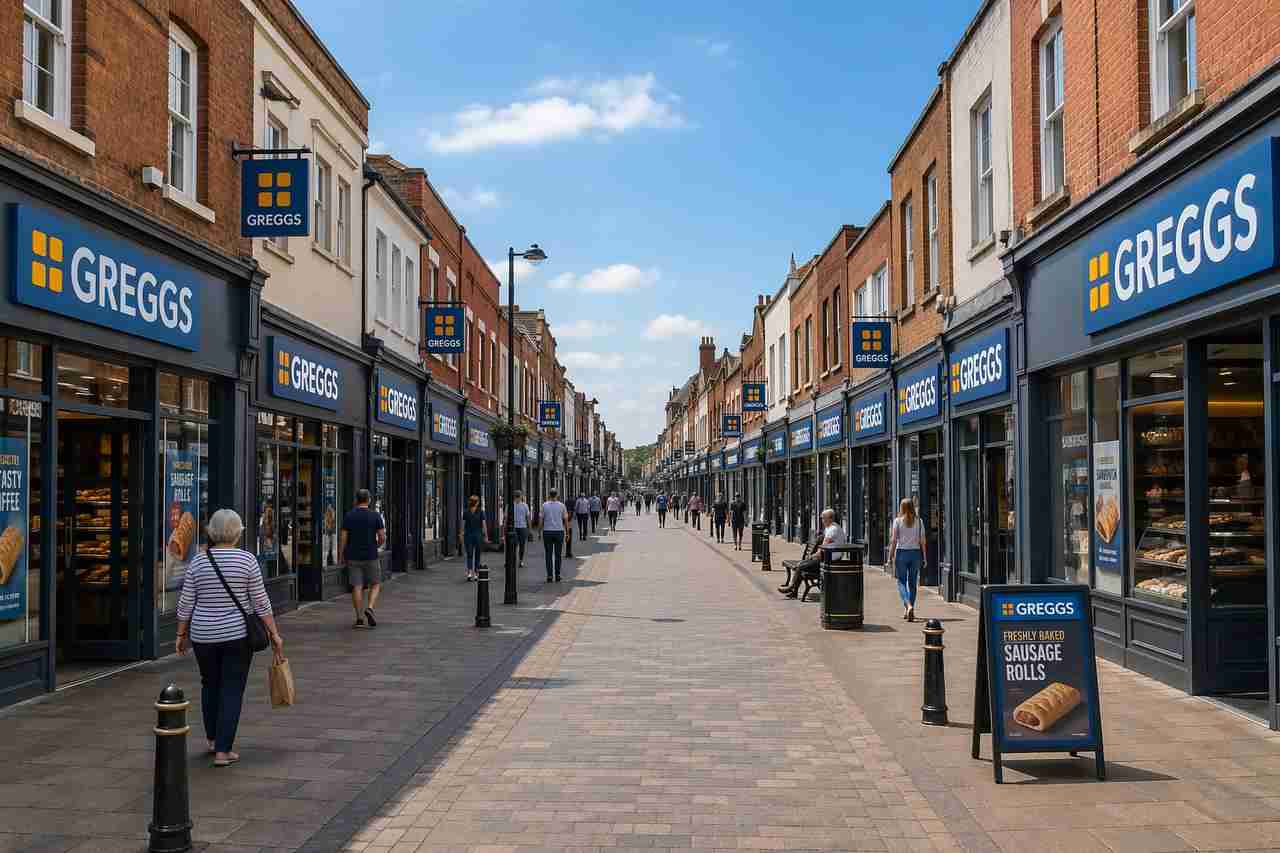
Greggs bakery AI identikit English high street – concept by @diz_qo
When local creatives aren’t actively engaged, places begin to look and feel the same. The identikit high street – the same chains, the same fonts, the same street furniture ordered from the same national catalogue – is not an accident. It is the result of decisions made without artists at the table.
If every local authority employed their local artists to design things like benches and lamp posts, then each high street would have a very different feel, instead of them all looking the same.
Sue R Davies – remembered friend, gardener and urban planner.
Local artists are the antidote to this creeping homogeneity but only if they are genuinely supported – not passively tolerated. Authorities and institutions have both a cultural and an economic responsibility to champion their creative communities. That means funding commissions, creating exhibition spaces, supporting open studios, art fairs and art walks, documenting and publicising local work, and crucially – using local artists for urban planning and public design wherever possible.
The Catalan artisan’s card
Catalonia offers a compelling model of what active institutional support can look like. The carnet d’artesanes is a publicly maintained register of makers, offering official recognition of technical, design and quality mastery across a range of crafts. Through Artesania Catalunya, registered makers gain access to a network of events, gallery spaces, competitions, workshops, conferences, art fairs, and the Library of the Centre d’Artesania Catalunya. It keeps income circulating within the creative community. This isn’t just good cultural policy – it makes good economic sense.
Countries and examples of their directories of artist-makers
- in the whole of Britain just has over 900 makers on it’s publicly funded Crafts Council directory.
- Czech Republic funds traditional folk art but lacks a publicly searchable, discipline-organised directory of contemporary artist-makers.
- The German Bundesverband Kunsthandwerk has compulsory membership but it does not give out a number of it’s members and it includes trades.
- Ateliers d’Art de France has a directory of over 6,000 makers – government funded and searchable by discipline and region.
- Italy has Confartigianato – with over 1,187 branches serving 1.5 million craft entrepreneurs. Each region has its own searchable listings but includes trades like plumbing and it is under financial pressure.
The gentrification trap
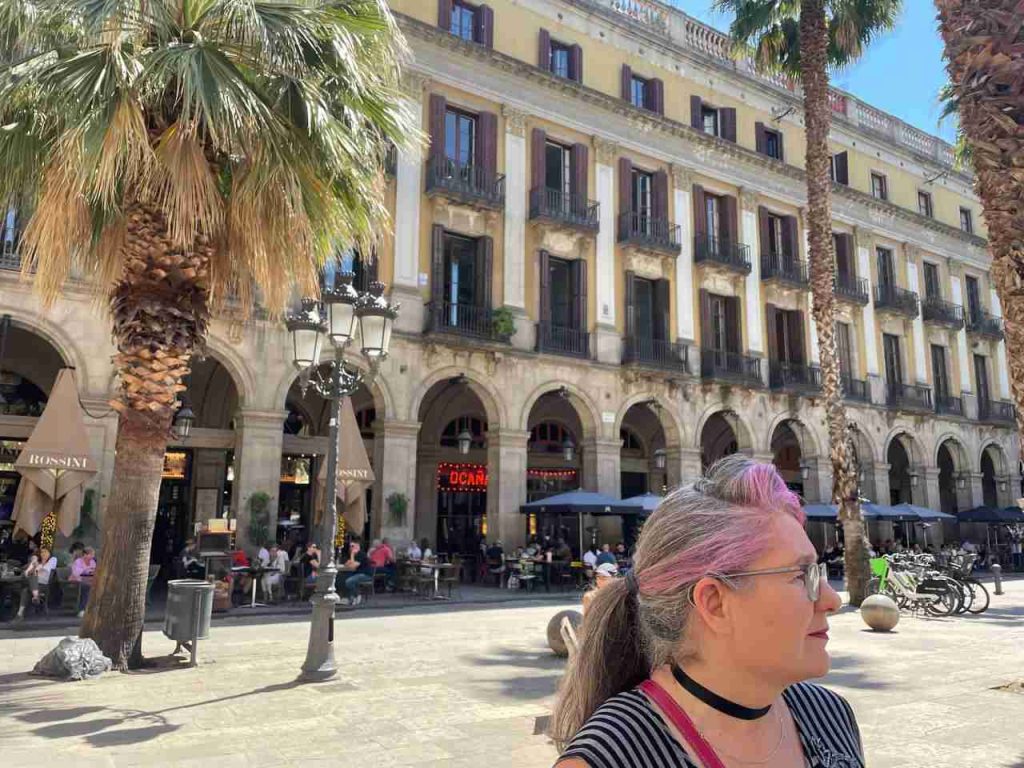
Emma Plunkett in La Plaça Reial – Photo by Louise Stevens
There is, however, an uncomfortable contradiction at the heart of all this. The very thing that makes a place culturally rich also makes it desirable – which drives up rents, prices out studios, and eventually displaces the artists who built that identity in the first place. We’ve seen it happen in neighbourhood after neighbourhood: creatives move in, bring vitality, and are eventually priced out by the wealth their presence attracted.
Local institutions championing their artists is necessary and right but without affordable studio space, housing, and long-term investment in working artists, the culture gets consumed by its own success. The goal isn’t to make places more attractive to outside money – it’s to make them more liveable for the people already making things there.
The relationship between art and place needs to be protected deliberately, not just celebrated.
Artists need to be recognised locally
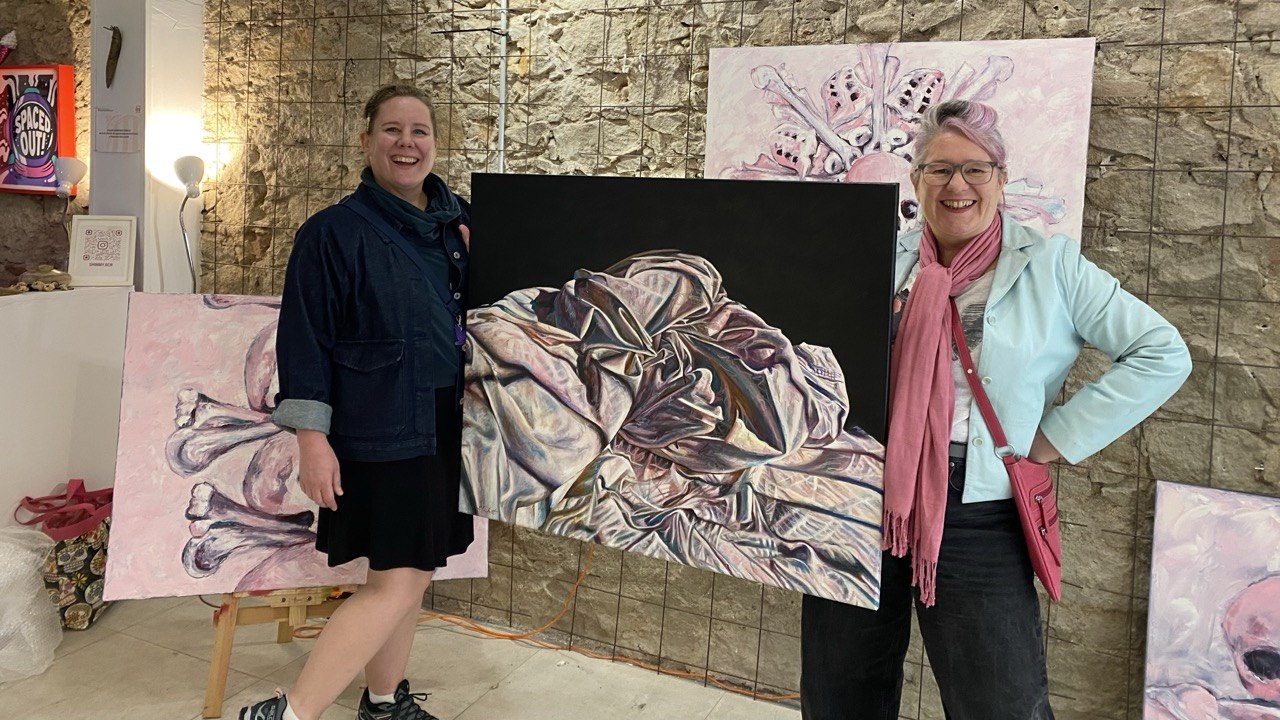
When the right art finds the right art collector!
Each artist needs to get their work in front of the right audience – to find that one person for that one piece. But the question of how that meeting happens, and who bears the cost of making it happen, is rarely discussed honestly.
As things stand, even when arts funding exists, it reaches very few individuals. Only a small fraction of artists who apply for grants receive direct institutional support. Most rely on other jobs or mixed income streams. And when artists are pushed to seek audiences beyond their local community – to ship work to galleries in other cities, to spend money attending distant openings – the financial burden usually falls entirely on them.
The real cost of transporting art
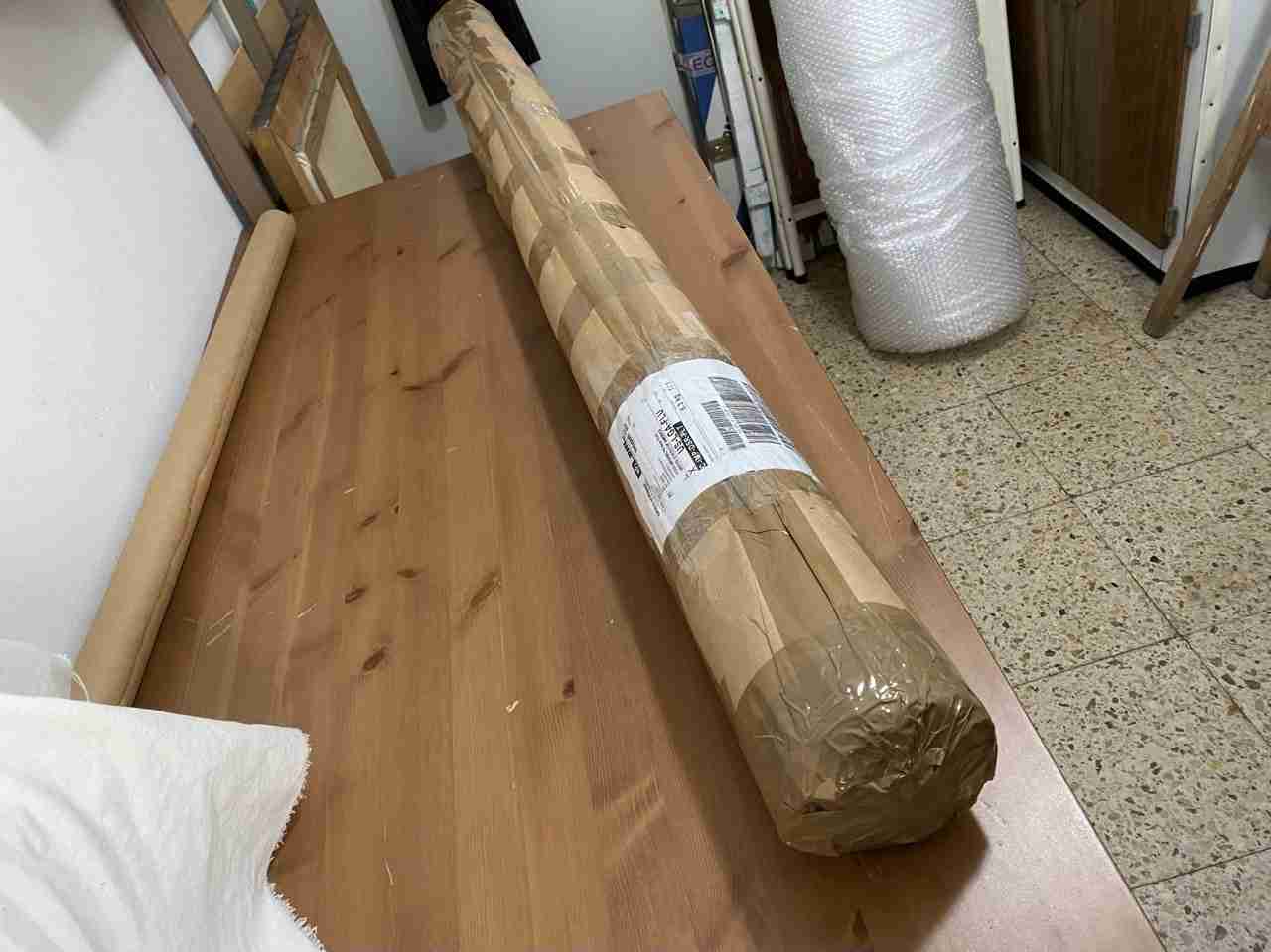
Fine art packaging
Showing work in major cities, or internationally, carries prestige. But it also carries real cost: shipping and packaging fine art, travel to attend openings, accommodation, food – and then, if the work doesn’t sell, the shipping cost of having it returned. These are not small amounts, and they represent a significant risk for most working artists. The exception is a well-funded project, which by definition only benefits the few.
This is why I keep coming back to the same question: why is it always assumed that the art should travel to find its audience, rather than the other way around?
Art reshapes how places are understood
In an ideal world, collectors and audiences would travel to see art in the context where it was made. The place itself would become part of the meaning – the light, the streets, the studio, the neighbourhood. That encounter shapes a purchase decision in a way that a white-walled gallery in a distant city does not.
This is why buying art on holiday carries a deeper significance than a mere souvenir. The object physically anchors a memory and an experience. It holds the feeling of a specific place at a specific time, and that becomes inseparable from the work itself. No online marketplace can replicate that.
Made in Barcelona
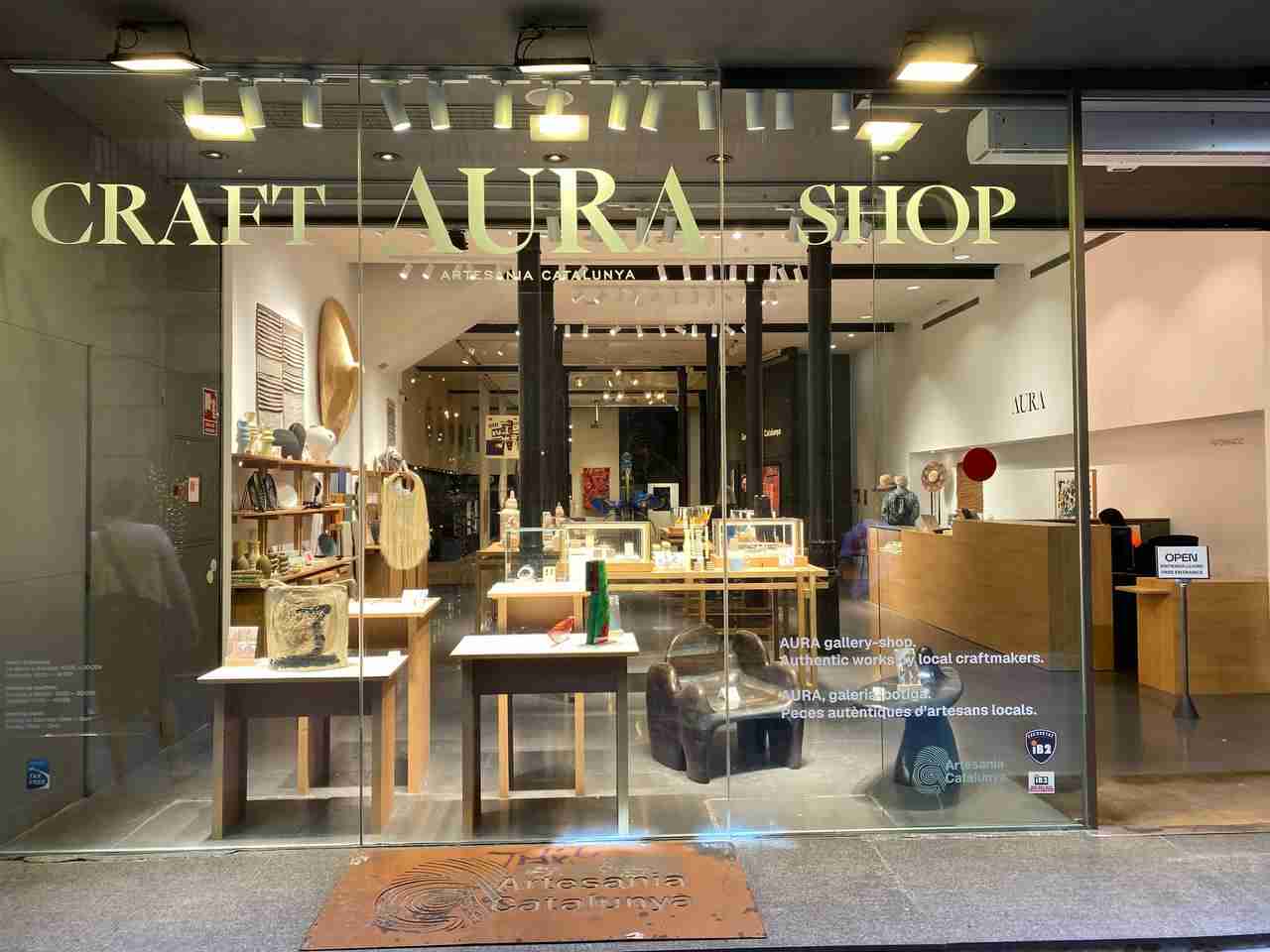
Aura craft shop
A perfect example of this in practice is Aura, the gallery shop within the Centre d’Artesania Catalunya in Barcelona. Curated by Rubén Torres, an authoritative advocate for Catalan artisans, every artist represented holds the official artisan’s card – a guarantee of government-approved skill and quality. It is the place to go if you want to buy the very best of Catalan craft, in the community where it was made, surrounded by the culture that produced it.
(And of course, you can also browse my artwork – which, since 2020, has been made right here in Barcelona.)
Art belongs to place
Art is rooted in place, and the most meaningful encounter with it happens in that context. So rather than sending art out into the world to find its audience, perhaps we should be building the conditions – locally, institutionally, collectively – for the audience to come to the art.
In order to help define the unique character of a place, we need to organise ourselves around that truth: as artists, art lovers, institutions, collectors and audiences alike. Uplifting local creativity isn’t just a cultural good. It’s how a place keeps its soul.
Conclusion
So, taking stock that we do not inhabit an ideal world – when you come across art that moves you, that you love, no matter the circumstances – buy it. Live with art that makes you feel something. Enhance your home and workspace with unique pieces, collect art, the handmade, commission it and enjoy the conversations it sparks. Every purchase is a small act of resistance against homogeneity, a vote for the particular over the generic, and a direct line of support to a real person making something real in a real place.
In the meantime, talk about this. Advocate for it. Maybe the notion will land on the right pair of open ears.
Because the systemic change we need is not complicated to describe, even if it is hard to achieve. What each country, region and province needs is a government-funded, publicly searchable, discipline-organised directory of contemporary artist-makers – the kind you could browse by craft type or location to find a ceramicist, a textile artist, a woodworker or a jeweller to commission. Catalonia has shown it can be done. France has built it at national scale. The model exists; the political will is what’s missing.
Until that infrastructure exists, the burden falls on the curious – on collectors willing to travel, on audiences willing to seek out studios, on anyone who believes that a place is only as interesting as the people making things in it. That is not nothing. It is, in fact, everything.
Buy me a coffee
Or even better, take a browse through my online art gallery. Studio visits can be arranged or you can go and see my artwork at the Shimmy gallery!
Leave A Comment